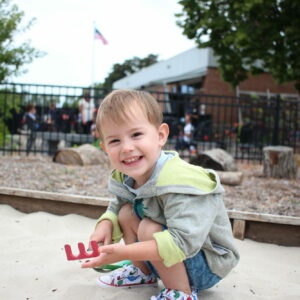
Math is the relationship between things.
The final post of this series on STEAM might very well instigate some feelings of stress among some of its readers. For many individuals, both children and adults, math is a frightening and incomprehensible idea. Indeed, typical math education in the school system has historically done a poor job at making the concepts relevant and reachable, which are two of the most critical characteristics in creating self-directed learning. However, math is simultaneously much more and much less than the quadratic equation or advanced calculus.
What is Math?
Math is an idea that things are related to each in different ways and that the understanding of that can help individuals perceive the world with a higher level of truth.
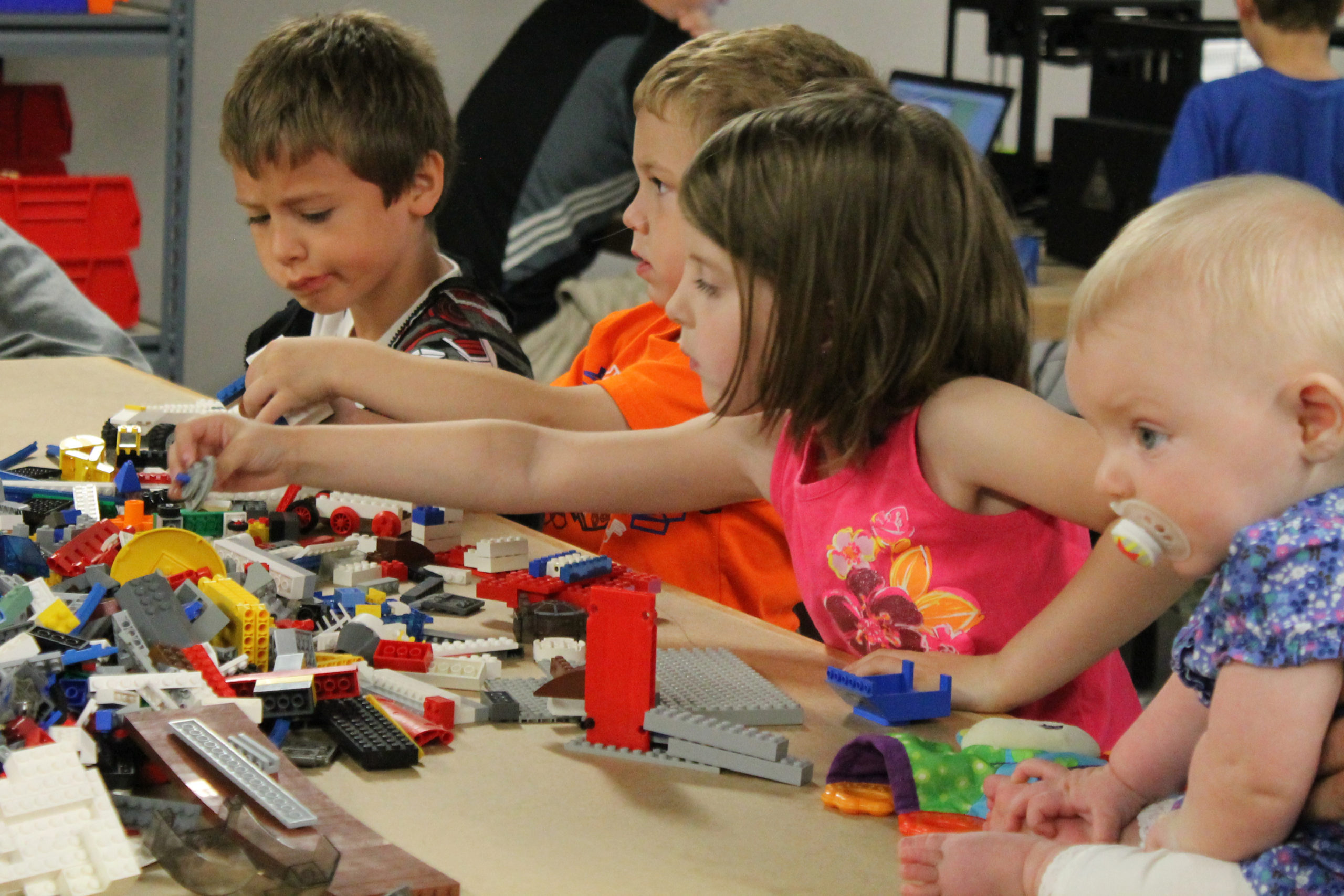
Children do math all the time. They sort objects by texture, color, shape, or size. They want to build the biggest fort or be the ones who can jump the highest. Math is, especially at the younger levels, much more about comparative thought processes than memorizing equations. It could be argued that this is also how most adults perceive math, but it is certain that different terms are used to describe it. Instead of building tall forts or jumping really high, adults my wonder whether it will be hotter or cooler and how that would affect their choice of clothing. They also might need to calculate how late they can sleep in before they’re going to be late for work.
As children get older, they become interested in quantifying those aforementioned comparative statements. In common vernacular, this translates to measuring. Children will want to know how tall they are, how far an object moves, or how heavy an item is. Any use of measuring further develops the math intelligence.
Beyond measuring, the comparative statements become predictive. “What happens if I add this block to the scale, or this object to a full glass of water?” The powerful interpretation of math, however, comes from the realization that all math is just slightly more complex comparative statements. Thus, if children are naturally inclined to see the world in this way, we all must be. As educators, it is our job to identify and encourage comparative statements in whatever form they take.