CREATE YOUR OWN POLLINATOR GARDEN
Creating a pollinator garden at home is a wonderful way to attract and support essential pollinators like bees, butterflies, and hummingbirds. Here are some simple instructions to help you get started:
- Choose a suitable location: Select an area in your yard that receives at least 6 hours of sunlight per day. Pollinators prefer sunny spots with some shelter from wind.
- Plan your garden: Determine the size and shape of your pollinator garden. Consider including a variety of flowering plants that bloom at different times throughout the year to provide a consistent food source for pollinators.
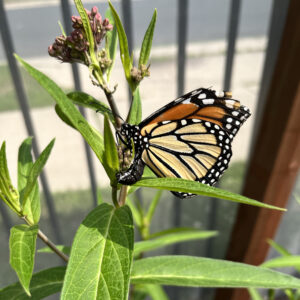
- Select pollinator-friendly plants: Opt for native plants as they are well-adapted to the local environment and attract local pollinators. Choose a diverse range of flowering plants with different colors, shapes, and sizes to attract a variety of pollinators. Some popular choices include lavender, coneflowers, bee balm, milkweed, salvia, and native grasses.
- Provide water: Pollinators also need a water source. You can include a shallow birdbath or a small water feature in your garden. Ensure that there are rocks or floating objects in the water for the pollinators to land on safely.
- Avoid pesticides: Minimize or eliminate the use of pesticides in your garden, as they can harm pollinators. If pest problems arise, explore organic and environmentally friendly pest control methods.
- Create shelter: Pollinators need shelter for nesting and overwintering. You can include features like a bee house, butterfly house, or a pile of logs or rocks to provide safe spaces for pollinators to rest and reproduce.
- Provide food throughout the year: Choose plants that bloom at different times to provide a continuous food source for pollinators. Aim for a combination of early spring, summer, and fall-blooming plants. Consider planting a mix of annuals, perennials, and shrubs to ensure a varied and abundant food supply.
- Maintain your garden: Regularly water, weed, and mulch your garden to keep the plants healthy. Deadhead spent flowers to encourage more blooms. Prune plants as needed, following specific guidelines for each species.
- Educate and share: Spread awareness about the importance of pollinators and your pollinator garden. Share your knowledge with friends, neighbors, and community members to inspire them to create their own pollinator-friendly spaces.
Remember, creating a pollinator garden is an ongoing process, and it may take time for pollinators to discover and frequent your garden. With patience and dedication, your garden will flourish, providing a welcoming habitat for these essential creatures.